Road tax stickers in Malaysia
For decades, the Road Tax Sticker was a familiar sight on every Malaysian vehicle’s windscreen. It served as a visual symbol that the vehicle was registered and the tax had been paid. Paying Road Tax is crucial as it funds the maintenance and upgrading of the country’s road infrastructure.
However, a major shift occurred on February 10, 2023. The Ministry of Transport announced that private vehicle owners in Malaysia are no longer required to stick the physical Road Tax (Motor Vehicle License – LKM) on their windscreens. Instead, they can now simply show the Digital Road Tax (e-LKM) via the MyJPJ app.
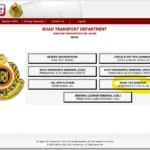
As of February 10, 2023, Malaysians no need to display their motor vehicle licenses (road tax stickers) on their vehicles. Instead, they can show the digital versions on the JPJ app on their phone. The digital display mode of e-LKM and e-LMM can be downloaded through the RTD public portal or MyJPJ mobile application
What is a road tax stickers?
A road tax sticker is a colorful, adhesive label traditionally displayed on a car’s windshield. It is legally known as the Motor Vehicle License (LKM). It contains vital details like the vehicle’s registration number, expiry date, and engine capacity.
While it used to be mandatory, the government’s push for digitalization has transformed this practice. Let’s explore the ins and outs of road tax stickers, their types, and the transition to a digital future.
Legal obligations regarding tax sticker
The Road Transport Department (JPJ) ensures that all vehicles comply with the Road Transport Act 1987. Even with the shift to digital, the core laws remain the same:
Legal bodies for these regulations.
Types of road tax patches
Road tax is categorized based on the vehicle type and usage.
1.Private vehicle
These are personal cars and motorcycles owned by individuals. Since 2023, this category is exempt from displaying physical stickers. The tax price depends on engine capacity (cc) and location (Peninsular vs. Sabah/Sarawak).
2.Commercial vehicle
This includes taxis, buses, and goods transportation trucks. In many cases, commercial vehicles and those owned by foreigners may still be required to display physical stickers for easier checks by authorities.
Types of patches based on time duration.
The tax patches have a time limitation they are considered valid in their specific period which is for the issue. The time duration varies for the different vehicles whether it is commercial or private. Let’s have a look at the types of stickers based on the time duration.
- 6-Month Renewal: A popular option for those managing their budget.
- 12-Month Renewal: The standard yearly option.
- Note: Unlike some countries, Malaysia typically uses 6-month or 1-year cycles rather than monthly stickers.
1. Yearly Renewal Stickers:
Many countries require vehicle owners to renew their road tax annually. The corresponding sticker is often colour-coded or labelled with the specific year.
2. Monthly or Quarterly Stickers:
In some regions, road taxes may be payable on a more frequent basis, such as monthly or quarterly. Stickers for these payment schedules are designed accordingly, often indicating the specific period for which the tax is valid.
3. Multi-Year Stickers:
There is possible in some cases the owner pay the tax of the vehicle for multiple years. In that case, the authority offers the sticker that highlights that the owner pays the tax in advance.
Special types of tax label
There are some special tax labels issued by the transport authority for different vehicles.
1. Special category
Sometimes the vehicle category may be special like electronic or hybrid for this purpose to indicate their speciality legal authority offer them some special stickers for their road tax indicator.it is quite different in size, colours etc.
2. Special event
On the occasion of an event happening in the country authorities offer a tax badge that indicates the event (anniversary, or special campaign) It does not affect the tax status of the vehicle. It might be for the promotional activities.
Digital system of tax labels
Malaysia is rapidly moving towards full digitalization. The new method is known as e-LKM (for vehicles) and e-LMM (for driving licenses).
1. E-LKM
2. Multiple OBUs
According to that system you will choose for as optional whether you want to have stickers, cards, or even in-vehicle units.
3. RFID technology
RFID & Future Tech While currently used mainly for tolls, RFID technology is being integrated into the broader vehicle ID system. In the future, “Smart Tags” or RFID stickers may serve as a unified way to track road tax validity without needing a separate paper disc.
Advantages of the tax badges
Despite the digital shift, physical stickers (or printed paper copies) still have their merits:
Accessibility:
No Technology Needed: You don’t need a smartphone or data plan to prove you paid. This is helpful for elderly drivers or in rural areas with poor coverage.
Physical Reminder:
If you drive into Thailand, Singapore, or Brunei, physical copies are often still required by foreign authorities who cannot access the Malaysian digital database.
Cost-effectiveness: Production and administration of physical stickers can be relatively inexpensive compared to implementing and maintaining complex digital infrastructure.
Security:
While not tamper-proof, physical stickers present an extra layer of security compared to solely relying on digital records, potentially deterring some forms of fraud.
Tangibility:
Some individuals find comfort and assurance in possessing a physical representation of their tax payment, offering a sense of security and accountability.
Ease of Enforcement:
Traditional methods like visual inspection of stickers at checkpoints can be easily implemented and understood by both authorities and drivers.
Potential for Customization:
Physical stickers can be designed with security features, colour variations for different vehicle types, or even include tamper-evident seals to enhance their effectiveness.
However, it’s crucial to acknowledge that these advantages come with limitations:
Environmental Impact:
Production and disposal of physical stickers contribute to waste and resource consumption.
Inconvenience:
Applying and removing stickers can be cumbersome, and damaged or lost stickers require replacements.
Problems regarding tax labels
The move to digital was largely driven by the common complaints associated with the old stickers:
- One of the problems faced in the implementation of the stickers the owner and the other people design fake stickers. It created hindrances for the legal body. They perform illegal acts so, that they could not pay the tax.
- Tax labels are stolen by the thieves and they sell out in the market they also perform some illegal activities that damage the owner and the legal authority.
- There is an issue regarding the placement of the sticker the perfect and suitable place for the sticker is quite essential for the identification of the tax status.
- The sticker might be damaged by the weather or the outside environment. The sticker might be wasted during cleaning, which tends to hinder the legal authority from checking the tax status.
- Every vehicle has its special category of stickers. there is a problem with the standardisation of the sticker it has size, issue, colour issue or placement issues.
- Due to some system problems, there is a chance that the system did not scan the sticker properly. This problem occurs due to glitches or system maintenance etc. and it creates a problem for the identification of the tax status.
- That is the negligence of the legal bodies that they can not update their system. And it creates a chance of fraud and other illegal practices.
- Administration issues like renewing or updating the tax stickers also create problems for both parties, and it tends to some serious problems that could be faced by the owner.
Conclusion
The road tax system in Malaysia has evolved from a sticky piece of paper to a convenient app on your phone. While the e-LKM (Digital Road Tax) is now the standard for private vehicles, the physical sticker or printed copy remains a valid backup, especially for driving abroad. Understanding these changes ensures you stay compliant and hassle-free on the road.